

Article by Jack Sekhon
8 Min Read. Updated June 25, 2024
Why Many SME Sustainability Programs Don't Deliver Results
Many sustainability initiatives fail because they are treated as standalone ESG checklists, disconnected from ISO/Other Global Standards management systems, focused on reporting rather than operational control, and not aligned with governance, risk, and decision-making. JSA’s approach integrates sustainability directly into how your organization plans, operates, measures performance, and improves-using ISO-aligned structures already familiar to your team.
sustainability?
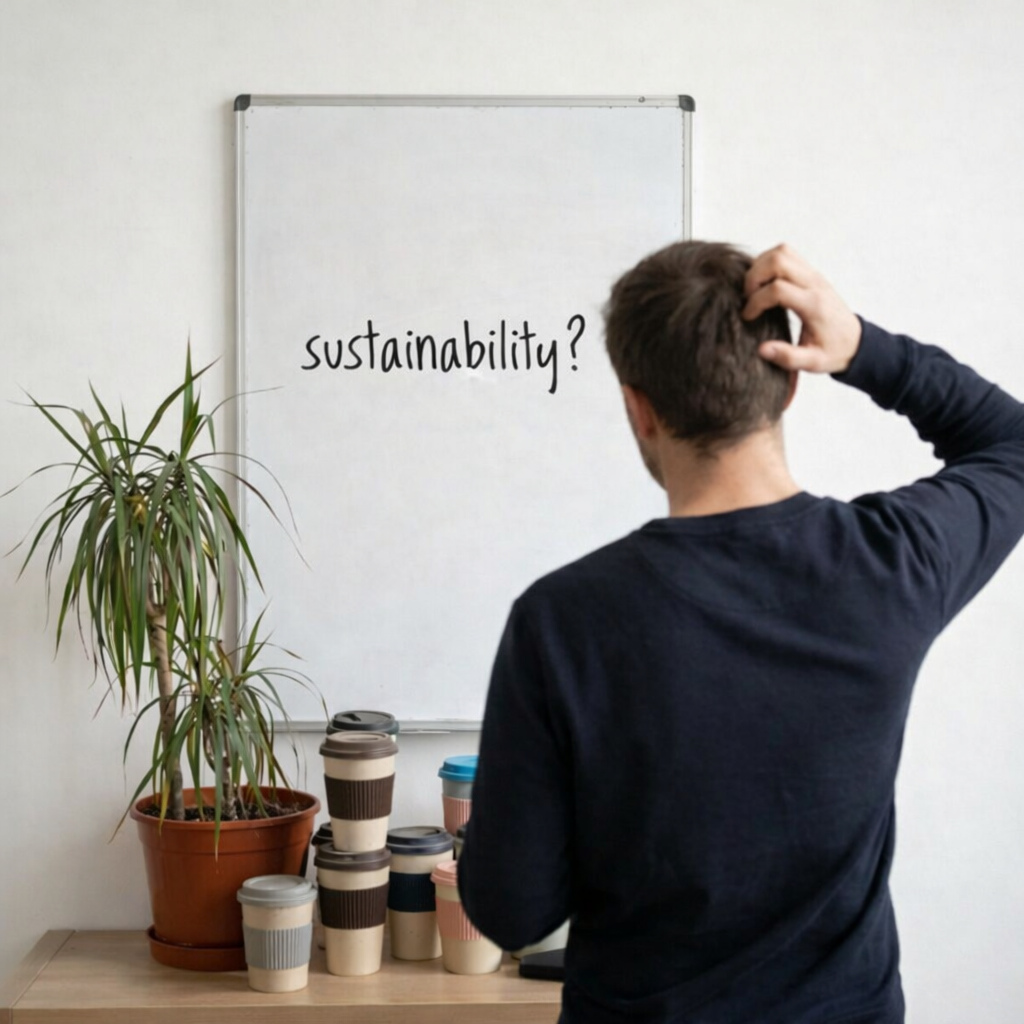
Why Many SME Sustainability Programs Don’t Deliver Results
A systems-based perspective for small and mid-sized organizations
Executive Summary
Sustainability has become unavoidable for small and mid-sized enterprises (SMEs). Customer expectations, supply-chain requirements, regulatory pressure, and risk exposure are increasingly shaping how organizations are evaluated.
Yet many SME sustainability initiatives fail to deliver lasting results.
In most cases, the issue is not a lack of intent or commitment. Sustainability efforts often struggle because they are treated as projects, campaigns, or reporting exercises — rather than as systems embedded into how the organization is governed and operated.
This paper is written for decision-makers who want clarity before committing further time, resources, or credibility.
It intentionally avoids templates, tools, and step-by-step instructions.
Looking to get certified? We offer online training courses!
1. Why Sustainability Has Become an SME Issue
Unlike large enterprises, SMEs operate with limited capacity and competing priorities. At the same time, sustainability expectations increasingly come from outside the organization:
- Client and supply-chain qualification requirements
- Regulatory and industry expectations
- Insurers, lenders, and partners
- Workforce and reputational considerations
Under this pressure, many organizations take early action quickly — often without stepping back to consider how sustainability should fit within existing systems.
The result is often activity without structure.
2. The Core Issue: Sustainability Is Treated as a Project
In many SMEs, sustainability begins as a discrete initiative:
- A policy or statement
- A set of targets
- A report or dashboard
- A role assignment
While well-intentioned, this approach treats sustainability as something separate from how decisions are made and work is controlled.
Projects end.
Systems endure.
When sustainability is not embedded into governance, risk management, and management systems, it becomes vulnerable to operational pressure, leadership changes, and shifting priorities.
3. Structural Patterns That Cause Sustainability to Stall
Across sectors, the same patterns appear repeatedly when sustainability programs fail to deliver.
3.1 Sustainability Is Managed Separately
Sustainability is handled alongside — rather than within — existing quality, safety, or environmental systems. This creates overlap, confusion, and additional workload.
3.2 Reporting Comes Before Control
Metrics and reporting are developed before ownership, authority, and operational controls are clearly defined.
3.3 Weak Link to Business Risk
Sustainability is discussed in general terms, without a clear connection to operational risk, continuity, or strategic priorities.
3.4 Responsibility Without Authority
Sustainability is assigned to individuals who lack decision-making authority or escalation paths.
3.5 Short-Term Expectations
Long-term system change is expected to deliver immediate results, leading to frustration and early disengagement.
These patterns are common — and often unintentional.
4. What This Costs Organizations in Practice
When sustainability lacks structure, the consequences are practical and measurable:
- Missing out on projects because sustainability expectations cannot be clearly demonstrated
- Difficult or uncomfortable audit or client discussions
- Staff time spent on sustainability tasks that do not improve operations or decision-making
- Reduced confidence in future improvement initiatives
- Early warning signs of problems being missed
The impact is not just environmental or reputational — it is operational and strategic.
5. Why “Trying Again” Often Leads to the Same Outcome
After an initial sustainability effort stalls, organizations often respond by:
- Changing tools
- Re-labeling initiatives
- Increasing reporting
- Engaging new advisors
Without addressing the underlying structural issues, these second attempts frequently repeat the same mistakes — with added fatigue and skepticism.
The problem is rarely effort.
It is system design.
6. What Durable Sustainability Efforts Have in Common
Organizations that achieve lasting sustainability outcomes tend to share several characteristics:
- Sustainability is governed, not delegated
- Roles, authority, and accountability are clear
- Sustainability is integrated into existing management systems
- Risk and decision-making are explicitly linked
- Change is phased and realistic
They focus first on structure, not activity.
7. A Systems-Based Perspective
At JSA Inc., sustainability is approached as a management system and governance challenge, not a reporting exercise or campaign.
The focus is on integrating sustainability, risk, and resilience into how organizations already operate — so initiatives are durable, auditable, and aligned with real business decisions. This approach is informed by JSA Inc.’s ESEGR sustainability model, which provides a structured way to consider environmental, social, economic, governance, and resilience factors within existing management and decision-making systems.
This paper reflects that perspective and is intended to support better thinking before action.
8. A Question Worth Considering
Before investing further in sustainability initiatives, many organizations benefit from asking:
- Is sustainability embedded into how decisions are made, or layered on top?
- Would it survive leadership or staffing changes?
- Does it strengthen existing systems, or compete with them?
Clarity at this stage often prevents costly rework later.
9. Preserve a Copy for Reference
This paper is shared openly on this page to support clear, informed thinking.
If you would like to download a copy for future reference or internal discussion, you may request a downloadable version below.
Providing your details allows JSA Inc. to share the paper in a portable format and, where appropriate, offer related insights. There is no obligation.
Form Fields:
- First Name
- Last Name
- Email Address
- Organization (optional)
10. When Structure Becomes the Next Step
Some organizations reach a point where understanding the issue is no longer enough — and structured direction becomes necessary.
When that moment comes, a focused discussion on an ISO-aligned sustainability roadmap can help translate intent into a system that fits the organization’s size, risk profile, and maturity.
About This Paper
This paper is intended for reflection and knowledge preservation. It is not a checklist, a template, or a substitute for professional guidance.
Its purpose is to help SME leaders make better-informed decisions before committing further resources or credibility to sustainability initiatives.
